Login Dashboard

Latest News and Info

ANTIDA'S STORY

HOW DID YOU START VOLUNTEERING?

I have been volunteering as a Welcome Mentor for about six months, my Brother-in-law told me about the project and I was pleased to help. Welcome Mentors help refugees, asylum seekers and migrants to settle in Kirklees and support them in accessing services and integrating into the community.

I came to the UK in November 2018 so I thought it would be a good chance to be part of the community, help others and get to know more people. I speak Albanian, English and some Italian and Spanish.

I found the training for the Volunteer role really enjoyable and I got to know lots of people from other countries as well as Christine and Steffi who manage the project.

WHAT DOES A WELCOME MENTOR DO?

I have been helping an Albanian lady who came to Huddersfield in January with her son, I have been speaking frequently with her and helped her to complete forms from the Council, translate documents and accompanied her to the opticians so she could order her son glasses.

HOW HAS THE CORONAVIRUS CHANGED YOUR VOLUNTEERING?

I have been speaking with lots more Albanian ladies via the telephone to make sure they understand the guidelines. I have helped them access gp appointments, and I regular call a lady who is pregnant to see if she needs any help.

WHAT DO YOU LIKE ABOUT VOLUNTEERING?

Volunteering fulfils me, I feel good helping others and communicating with Steffi (the Co-ordinator). I am a trained Dentist from Albania, but I am not yet able to work in this profession until I have received my dentistry licence for the UK. Volunteering helps me a lot, it makes me feel more alive, like I am doing something worthwhile,

Steffi the Volunteer Co-ordinator for the Welcome Mentors project added:

“Antida has also proved to be a volunteer who will go out of her way to support in any way that she can, she is currently supporting 2 single parents through this difficult time. One of the families is expecting a baby soon, Antida calls her and speaks with her in Albanian to check that she is ok and to make sure that she has everything that she needs, which helps her to feel less isolated and allows us to be able to report back to the organisations that have referred the customers and reassure them that they are being well supported, we are lucky to have Antida, she is compassionate and always keen to support in any way that she can.”

The Welcome Mentor scheme have 70 active volunteers speaking 45 different languages. 20 of these volunteers were recruited during the Coronavirus pandemic as Telephone Befrienders.

Find out more about the work of the Migration Team at TSL Kirklees here

Interested in becoming a Welcome Mentor? More information here.
MARK'S STORY - TELEPHONE BEFRIENDING

HOW DID YOU START VOLUNTEERING?

I became aware of the Volunteer Telephone Befriending through a work email. I knew the two brilliant organisations involved and felt I wanted to support them. I had been interested in befriending in the past, but because I commute to work I thought I may not have time to visit someone in their own home. This new role involves making a weekly phone call to a local person who is lonely and isolated.

Due to the Coronavirus the volunteer training took place online via Zoom, where we were given an introduction to the volunteer role and any safeguarding issues we may encounter. It was made clear that if I had any concerns or felt uncomfortable whilst I was volunteering then I could go to the Co-ordinators for advice.I was then quickly matched to my first person who was in need of a befriender.

WHAT DOES A TELEPHONE BEFRIENDER DO?

I make regular weekly phone calls to two people; a Lady in her 90s who has had a very colourful life, and a younger gentleman who enjoys talking about local history. We chat for between 30 and 60 minutes at each call.  I then make a record of my call in a special app, including any notes or issues which goes straight to the Co-ordinator who then sends me a thank you note. It is a terrific app as they get the message instantly and it is very quick and easy to use.

WHAT DO YOU LIKE ABOUT VOLUNTEERING?

I had forgotten about having conversations on the phone, I have become so used to sending an email, text or whatsapp. Sharing conversation one to one and concentrating on a person and what they are interested in appeals to me. Hearing their stories and interests and having space to ramble is precious time. I get as much out of it as they do; it is a two-way thing as we’ve learnt things from one another. A volunteer has more time to listen than a professional who might have a list of people to ring in one day and may be more pressurised by their work.

I feel appreciated by them both which has been positive when I am working on my own from home. I would be quite happy to continue volunteering as long as I can, it feels right for me, we all have different things we can contribute.

This Telephone Befriender role is with Kirklees Befriending Partnership led by Age UK and Yorkshire Children’s Centre find out more here.

KAREN'S STORY

HOW DID YOU START VOLUNTEERING?

I started volunteering with the Community Connections befriending scheme about 7 years ago. I worked for Sainsburys and our charity of the year was a Rest Home in the Brighouse area – I got involved by visiting the home with small gifts that staff had donated and realised what a difference we were making to the residents who were lonely. So when I saw the Befriender Volunteer role pop up on facebook I thought I would give it a go and applied. After I had undertaken the training and my criminal record check came through, Christine the Co-ordinator matched me to someone from their waiting list who was lonely and isolated, and we were introduced.

WHAT DO YOU DO AS A BEFRIENDER?

As a Befriender I usually visit someone in their own home for a cup of tea and a chat. Christine is really good at matching people to someone they will get along with. People are lonely and isolated for a number of reasons, usually because they can’t get out the house and they may have no family or friends nearby. I have been matched to 5 different people since I started volunteering, and I have also volunteering in a Care Home running a reading group. As time goes on you become good friends and I was very sad when a lady I visited for 4 years passed away, but I am pleased to say I am still in contact with her family.

HOW HAS YOUR ROLE CHANGED DUE TO THE CORONAVIRUS?

I have recently been matched with two elderly ladies who are missing the social interaction with people due to the Coronavirus. Even if people have someone doing their shopping for them, this has to be left on the doorstep and people aren’t able to enter the home. We offer a regular telephone call; I ring them once a week for about 45 minutes. We chat about all sort of things – for example, one lady likes talking about food and telling me what she is having for tea! We just have a good chat as you would talk to your own Gran. One lady told me I rang just at the right time as she was going to bed as she felt she had nothing to stay up for, so she was so grateful that I had ring. I also check on their welfare, that they have everything they need, shopping and prescriptions etc.

WHAT DO YOU LIKE ABOUT YOUR VOLUNTEER ROLE?

I enjoy seeing the difference I make – you don’t realise what an impact you have on someone’s life who is lonely. A simple 20 minute chat is sometimes all that is needed and can be so rewarding. You can give as little or as much as you want. I am a single mum and I work, but I can still fit volunteering in around my week.

I love that I am make a huge difference by giving a small amount of my time. Betty who I have been telephoning, used to volunteer as a befriender herself, and visited 6 people a week! Now she is able to benefit from having her own befriender. I have formed long term friendships with the people I have met in my befriending role.

You can find out more about becoming a Community Connections Befriender here.

ITZIAR'S STORY

HOW DID YOU FIND OUT ABOUT BECOMING A WELCOME MENTOR?

I have been volunteering with a reading therapy project called ‘Words in Mind’ which is delivered by Third Sector Leaders Kirklees and through this I found out about another programme run by the organisation called Welcome Mentors.

Welcome Mentors help refugees, asylum seekers and migrants to settle in Kirklees and support them in accessing services and integrating into the community.

The role appealed to me as it meant I could use my language skills and help people in the community (my native language is Spanish, but I also speak English and some German).

WHAT DOES A WELCOME MENTOR DO?

I have been translating relevant information to South American families and helping them to become familiar with Huddersfield. For example, I have informed the families on how they can enrol on English classes. I have also been helping with weekly activities at Huddersfield Library called ‘Meet Try and Learn’ where we use craft activities to help people with their English skills and to integrate and make friends.  I have supported 4 different families and the roles is varied and flexible depending on the needs of the family.

HOW HAS THE ROLE BEEN ADAPTED?

Currently, I am not able to meet people face to face but I am still able to provide support by telephone. I have been making sure that the families I am helping understand the latest health guidelines and check that their essential needs are being met and they have enough food and medicine, If there are any issues I report these back to Steffi the Co-ordinator. Some families don’t have the internet so aren’t able to access the news – it is important that I update them on the situation and any changes with guidelines etc. If a client has wi-fi then I will explain which online activities they are able to access to improve their English skills.

I have also been translating important information such as government Coronavirus guidelines, safeguarding information sheets and how to access free school meals voucher. Sometimes I create additional videos when it is requested to better illustrate the message given in the translation and they then get posted on different websites.

WHAT DO YOU GET OUT OF VOLUNTEERING?

I really like volunteering; it is a fulfilling way to spend my spare time and make sure people’s needs in the community are being met. The families I help are very grateful for the support.

I think volunteering contributes to my general wellbeing. It has improved my communication skills and made me more aware of needs of my community. The volunteer training was insightful and I have learnt things that I have been able to put into practice as a Volunteer. I have improved my translation skills and extended my knowledge on particular topics. Volunteering has helped me with recommendations for a job and I am now working in the third sector.

Steffi Rogers who co-ordinates the Welcome Mentor scheme added:

“Itziar has been in daily contact with a family from El Salvador who have had a very difficult time, they are expecting a baby and so understandably have been cautious about leaving the house, their English is limited and so they have struggled to understand what is safe to do and current guidelines. Itziar has been available whenever needed to answer their questions and support them with getting food, their free school meal vouchers and to ease any concerns that they have. She is a real asset to our team and I for one could not manage without her and her kindness, patience and dedication to supporting the community.”

The Welcome Mentor scheme have 70 active volunteers speaking 45 different languages. 20 of these volunteers were recruited during the Coronavirus pandemic as Telephone Befrienders.

Find out more about the work of the Migration Team at TSL Kirklees here

Interested in becoming a Welcome Mentor? More information here.
 

AMY'S STORY

HOW DID YOU START VOLUNTEERING?

I started helping at my local toddler group on Thursday mornings. My three children are now school age and I found my local playgroup so helpful when I had young children, so I was happy to help other parents. Whilst helping out at this group; I found out about the opportunity to Volunteer with Locala helping with the self-weigh in clinic and then I was also invited to become a Breast Feeding Peer Supporter.

WHAT DO YOU DO WHEN YOU VOLUNTEER?

At the Baby Weigh-Ins, I set out the equipment and then greet Mums with their babies when they enter the community centre. The Mum’s weigh their own babies whilst I chat to them and ask how they are getting on. I note down the weight of baby, convert from kilos to pounds and write it down so parents can add the information to their red book. I talk to parents if they have any concerns and signpost them where to go for more help such as their GP, Midwife or Health Visitor. I make parents feel welcome and invite them into the toddler group for a cup of tea.

As a Breast Feeding Peer Support Volunteer I offer emotional support to new Mums by telephone. I chat to them about how they are getting on, discuss any problems and encourage them to go to breast feeding groups so they can get physical support. As a parent who has breastfed three children, I can provide real life experience and reassurance. My role is a bit like a big sister, offering support and encouragement. Sometimes I ring a new parent every few days if they need extra support or sometimes one phone call is enough. I also send a text message to them about local parent and baby groups they can attend. The training for this role including a 9 week course (one morning per week) which covered scenarios and scientific research so that I was up to date with information on breast and bottle feeding methods.

My role at Locala also involves volunteering on the Readers Panel – we read and make suggestions regarding Locala publications (leaflets that sort of thing). We help to keep the information user friendly so that people can read it easily.

I also run the Thornhill Sewing and Craft club. We usually meet on Monday evenings. It is a group for anyone who loves being creative, I usually bake a cake, and people bring along whatever they are working on, such as knitting painting or crocheting.

HOW HAS YOUR VOLUNTEERING CHANGED DURING THE PANDEMIC?

At the moment I am unable to volunteer with the self-weigh clinic but I am still able to volunteer over the telephone as a Breast Feeding Support Peer Mentoring.

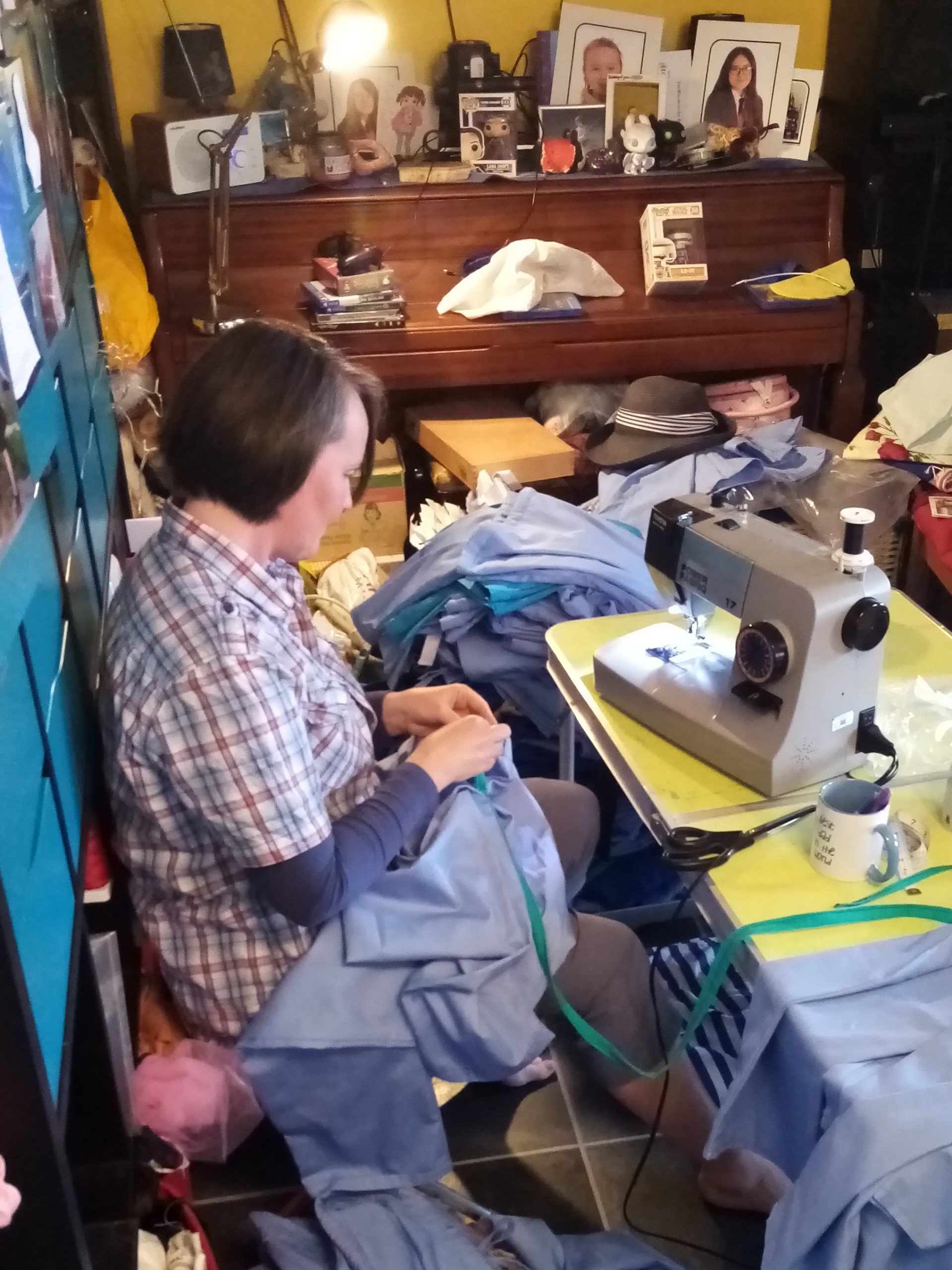
When we went into lockdown, I saw that hospitals needed scrubs so some of us from the craft group decided to start sewing some scrubs. We set up a ‘go fund me’ page on facebook to fund materials – our target was £250 but this soon rose to £1500! We spent all the money on fabric which we delivered to peoples’ doorsteps in batches so they could start sewing. Our group of Sewers grew via social media to 30 people. We have made 150 pairs of scrubs and 200 wash bags which have been distributed to Pinderfields Hospitals, GP surgeries and Care Homes. Our story has featured in the Dewsbury Reporter and Pontefract and Castleford Express.

Amy busy sewing in her kitchen surrounded by fabric.

Amy busy sewing scrubs at home.

We have also been asked by an NHS nurse to make slings to weigh babies in during home visits. A sling can then be left with the baby to avoid infections spreading.So far we have made 40 baby slings.

I’ve made so many friends, it has been remarkable. People living round the corner from me who I didn’t know before will hopefully come to our craft club when it reopens.

WHY DO YOU VOLUNTEER?

I enjoy talking to and meeting new people. Volunteering enables me to give something back. When my children were young I attended my local Surestart centre and shared all my worries and concerns. Now the community have taken this on, and I can give back and reassure new parents in my local community which is really fulfilling.

Without the self-weigh clinic in Thornhill, local parents would have to travel by car or public transport to access services, or have to book an appointment via their GP so I am really glad we can offer this local, friendly drop in service.

Find out more about volunteering with Locala (please note recruitment is temporarily on hold)

Amy’s Craft Club facebook page


Volunteering and looking after your Mental Health

Heather tells us about her experiences of volunteering with the Words In Mind project, and how she has had to adapt the role during the current restrictions:

HOW DID YOU FIND OUT ABOUT VOLUNTEERING?

I was looking on the Volunteering Kirklees website for a small, easy to manage volunteering role. I have chronic mental illness and that leaves me with little energy to use on volunteer work. Luckily the Words in Mind project had an advert inviting people to choose their own commitment level, which gave me the courage to try.

WHAT TYPES OF ACTIVITIES DO YOU DO WHEN YOU VOLUNTEER?

Before the pandemic I would be involved in running groups with a co facilitator. This was a good excuse to read books, which is a relaxing hobby anyway! I am a carer and struggle to get out and socialise so Words in Mind groups were a nice way to meet people in similar circumstances; I’ve enjoyed getting to know volunteers or group members.

Nowadays I assist with our Facebook account and I record a podcast so that we can stay connected to our group members and showcase what our creative volunteers, partners and group members are up to.

HOW HAS YOUR VOLUNTEER ROLE CHANGED DURING THE PANDEMIC?

Words in Mind gave me a safe, supported atmosphere in which I could be with other people, which really improved my mental health as I was very isolated before I joined. I’m really conscious that many of our group members are now stuck at home or in a ward setting, caring for a loved one or living in a stressful situation. I realised that the important self care I needed was to use the internet to keep reaching out – and to feel as though I hadn’t lost touch with the folks I used to do groups for. I still have regular contact with the project manager Elaine, and other volunteers; which gives me hope that Words in Mind will find a new way to carry on.

WHAT DO YOU LIKE ABOUT YOUR VOLUNTEER ROLE?

I get to enjoy books and reading, which was always part of my identity and that gives me a chance to feel like ‘myself.’ It’s given me something back that I’d lost. I love to see the creativity that Words in Mind groups stoke in people, they write poems, tell stories, make art, it’s brilliant.

HOW HAS VOLUNTEERING MADE A DIFFERENCE TO YOU?

I’ve been able to build my confidence in a supportive, safe atmosphere. I’m doing much more creative writing now too.

Elaine, Words In Mind Project Co-ordinator added,

“It is volunteers like Heather that make a real positive impact on people’s lives and make projects such as Words in Mind such a success. I have seen Heather grow in confidence and  become an integral part of the project, motivating not only service users, but other volunteers and staff from many organisations, including myself – she has adapted to a new way of working and is truly inspirational”.

You can find out more about becoming a Words in Mind Volunteer here

Sam's Story

HOW DID YOU START VOLUNTEERING?

I have volunteered across many organisations since 2009. Sometimes I seek opportunities on social media or through word of mouth. Other times as is the case with Kirklees Visual Impairment Network I first attended as a service user and then wanted to get more involved.

WHAT DO YOU DO WHEN YOU VOLUNTEER?

In lockdown I am only volunteering for Kirklees Visual Impairment Network [KVIN], but I also normally volunteer for Junior Parkrun, the RNIB and Guide Dogs. At KVIN I am involved with giving peer and tech support to service users who like me are living with sight loss. I am also involved with promoting the services we offer via the charities social media platforms. Normally I encourage service users to get involved with the  support sessions. Now in lockdown the focus is still on peer support but instead this is now based around some one to one phone calls, WhatsApp groups and virtual zoom chat sessions.

WHY VOLUNTEER?

Definitely the biggest plus for me is the people you meet. Many of my fellow volunteers and service users I now consider to be good friends, Volunteering also gives me an opportunity to up skill and fill my CV with up to date experience.


Kirklees Visual Impairment Network value their Volunteers

Kirklees Visual Impairment Network (KVIN) is a user led organisation that runs drop in sessions throughout Kirklees for people with visual impairments. Their aim is to enhance the lives of visually impaired people through promoting the benefits of peer support and the use of technology to aid independence. KVIN have recently received the Kirklees Volunteering Quality Award – demonstrating they value their Volunteers and follow national good practice. During COVID-19 they have had to adapt their service and our providing support by telephone and email.

Claire Drake, Volunteer and Event Co-ordinator at KVIN commented:

“It was a simple and supportive process. Becky took the time to work through the framework and offer advice on where we could adapt our approach for the best possible practice. Putting together the portfolio and being assessed was a positive process for me, I could see all the work I had been doing and what I had achieved. Hearing volunteers experiences and how it all made a difference was the icing on the cake! Thanks to the team at Volunteering Kirklees.”

COVID-19 How you can donate to help others in Kirklees

There are lots of ways you can help others in Kirklees, from donating a grocery item when you go to the supermarket, to making an online donation to an emergency fund for a local charity. Find out more by clicking on the link below :

COVID Donations updated

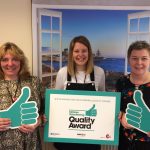
CLEAR celebrate their award

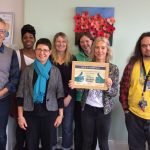
Community Links Engagement and Recovery (CLEAR) is a recover-focused mental health service. They offer a range of well-being activities and courses in Huddersfield and Dewsbury. We are pleased to announce that they are recipients of the Kirklees Volunteering Quality Award – celebrating their high quality volunteer offer.The Quality Award assessment panel were particularly impressed with how Volunteers were integrated into the organisation and had an opportunity to feed in their own ideas and develop their skills.

Huddersfield Mission achieve the Quality Award

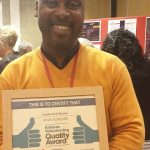
Congratulations to Huddersfield Mission who have been awarded the Volunteering Kirklees Quality award. Paul Peart Assistant Manager – Volunteers, Facilities and Community Engagement at Huddersfield Mission commented:

“Huddersfield Mission are proud to receive the Volunteering Kirklees quality award for volunteering.  It has been a robust process to go through but through the support and guidance of the staff at Volunteering Kirklees it was made it much easier to achieve.  It has taken twelve months to achieve the award due to the changes in our internal processes, documentation and then implementation to see how it works in practice.  Volunteering at Huddersfield Mission has always been a great place for volunteers and the new processes will enhance the volunteer experience, we are now not only ambassadors for Huddersfield Mission but also for Volunteering Kirklees and hope to build on the achievements of the award”.


Locala recognised for best practice.

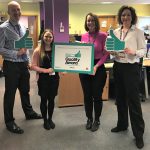
Locala have once again achieved the Kirklees Volunteering Quality Award in recognition of the high quality volunteering experience they offer.

Locala is a Community Interest Company, an independent not-for-profit social enterprise, providing NHS community services to over 400,000 people in Kirklees and beyond. Most of the care and support is provided at home and in clinics, schools and health centres by their team of dedicated healthcare professionals. They have over 100 Volunteers engaged in a wide range of roles from Breastfeeding Peer Supporters to Cardiac Rehabilitation Buddies.

The Quality Award panel members were particularly impressed with Locala’s training and support for Volunteers including the use of IT  to track the Volunteer’s journey, enabling Locala to support a large number of Volunteers over a wide range of sites.

Our congratulations go to Sarah and Heidi, Volunteer Services Managers at Locala for their hard work and dedication.


Kirklees Council Sport & Physical Activity Team Achieve Award

The Sport and Physical Activity Development Team (SPADT) at Kirklees Council aim to get people more active.

There are two volunteer programmes delivered by SPADT.  The Walk Leaders programme trains volunteers to deliver regular walks in their local community. The Movement and Games in Chairs (MAGIC) programme trains volunteers to deliver fun, chair based exercise activities in local community venues for people less mobile.. Both schemes enable the volunteers as well as the participants to improve their health and wellbeing.

We are delighted that the Sport and Physical Activity Development Team have achieved the Volunteering Kirklees Quality Award in recognition of the high quality experience they offer their Volunteers.


The Welcome Centre celebrate success!

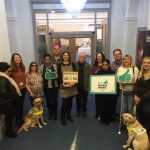
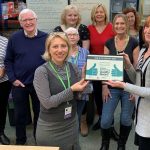
Volunteering Kirklees were delighted to present The Welcome Centre with this award in March 2019. The assessment panel were particularly impressed with the training and induction provided to volunteers and how they are kept up to date and involved with The Welcome Centre.

The assessor really enjoyed her visit and it was clear that volunteers were supported and valued at The Welcome Centre. Volunteers at the centre we’re invited to attend the award presentation and commented :

“I feel proud to be part of such a worthwhile organisation”

“I’m very pleased that the hard work of the volunteers has been recognised. Such a friendly, helpful and kind group of people”

“The Welcome Centre is such a friendly, rewarding and fulfilling place to volunteer. Thank you to Lada and the staff for making it so”

Ellie Coteau – Centre Manager at The Welcome Centre said: We’re incredibly proud to have achieved the Kirklees Volunteering Quality Award in recognition of our volunteering standards. At The Welcome Centre we rely on a team of hard-working, enthusiastic, committed volunteers; we couldn’t do what we do without them. We work really hard to make our working environment supportive and inclusive for all our volunteers, in all aspects of their work. Thank you to Volunteering Kirklees for recognising our efforts, and thank you to all of our volunteers for being part of The Welcome Centre team!

The Welcome Centre is one of the largest food banks in the north of England. Last year they gave out enough food for 199,548 meals. They also provide guidance and support to help people address underlying issues which prevent them getting back on their feet. The Welcome Centre is an independent, local charity which relies on volunteers and donations.

HELEN & CHRISTOPHER'S STORY

HOW DID YOU START VOLUNTEERING?

We were both furloughed from work due to the Coronavirus so wanted to do something to help. Initially we signed up to the NHS Volunteer Responder but so far we have not been allocated any tasks. We then received the Kirklees Council leaflet through our door with a tel. number to request help or offer help during the Coronavirus. We gave them a ring and they put us in touch with our local anchor organisation – More In Common (part of the Jo Cox Foundation). More in Common support a network of community groups in the Batley and Spen area and they connected us with the Cleckheaton Foodbank which was set up in response to the Coronavirus.

WHAT IS YOUR VOLUNTEER ROLE?

Cleckheaton Foodbank helps people in the local area in crisis with free food parcels as well a food shopping and delivery service for those isolating who are able to pay for their own food. Initially we were volunteering at the Foodbank every week day for a couple of hours. Recently, Christopher has returned to work but I continue to help at the foodbank 3 days per week.

When we arrive at the Foodbank we sort out the new grocery donations and then the list of jobs comes through for the day which we allocate between the team of volunteers. The tasks include a mixture of making up and delivering food bank parcels and also supermarket shopping for people who have paid in advance and supplied a shopping list. We then deliver the shopping to people’s houses – leaving the delivery on the doorstep and stepping back to a safe distance. Some older people request a call 10 mins beforehand, so they are ready to receive the delivery.

Many people really want a chat as well, so we can be stood at a distance for 20 minutes talking, and this is as important as the delivery for people who are isolating. If I have carried out a supermarket shop for someone I take a photo of the receipt then email it through to More in Common and they then refund the amount into my bank account – this usually happens really quickly and seems very well organised.

WHAT DO YOU LIKE ABOUT VOLUNTEERING?

We enjoy helping out, we were fortunate to be furloughed and would feel guilty sat at home. It has been good to have some structure to the day and to meet new people, both Volunteers and some of the regular people who use the service. My Mum and Dad are in their 70s and are isolating – if I wasn’t there to do their shopping, I would hope someone would be there to help them.

It has been lovely to see how the small things can make a big difference to someone who is isolating – whether that is getting them the right TV magazine, their favourite biscuits or batteries for their TV remote! It is the small gestures that can make someone’s day.

Once I return to work I won’t be able to give the same amount of time but I would like to stay involved with the Foodbank in some way for example by fundraising or making donations.

Cleckheaton foodbank has been set up by a range of Community partners including Cleckheaton Churches Together and local Councillors.  Cash and food have been provided by local people, including the President of the local Chamber of Trade and Commerce, the local Rotary Club and Batley Foodbank. The situation has brought different faith communities together, with a major donation coming from the Ahmadiyya Muslim Women’s Association.

 You can find out more about More in Common here: http://www.moreincommonbatleyandspen.co.uk/

 If you need help, you can contact the Kirklees Council Coronavirus helpline:
0800 4561114 (8am to 6pm weekdays, 10am to 4pm weekends and bank holidays)

By Agency For Good

Copyright 2026. All Rights Reserved

Accessibility Toolbar